
Pillow Advice
Understanding Duck Feather Pillows
Are Duck Feather and Down Pillows Good?
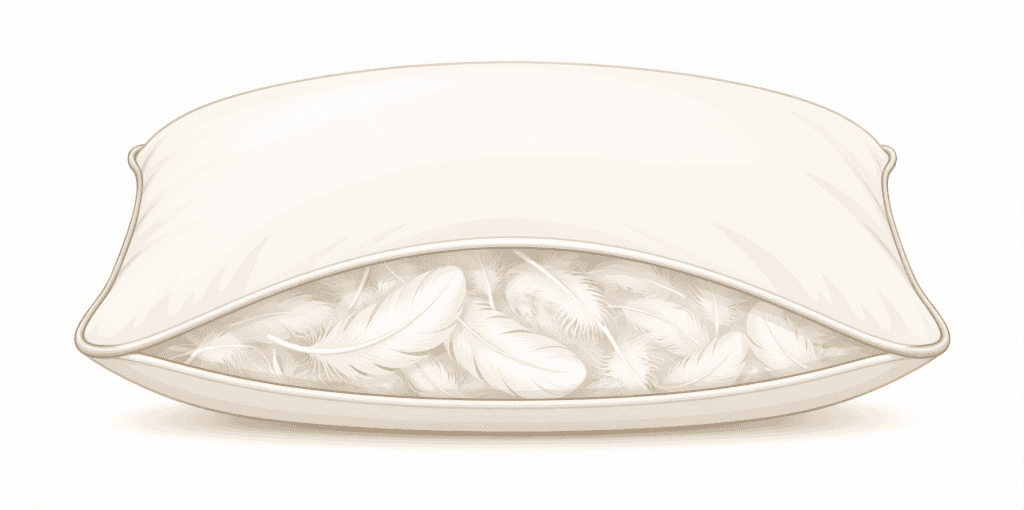
Many modern pillows contain duck feathers and down. This creates a balanced product that offers the best of both materials. Feathers provide structure and firmness, while down makes the pillow soft and warm. This combination makes pillows that work well for various sleeping positions and provide neck and spine support.
Duck or Goose Feather Pillows: Which is Best?
When looking at the different duck and goose options, there are a few things to watch for that distinguish them from one another. Goose down has larger cluster sizes than duck down, which makes it puffier and warmer. In every 30 grams of goose down, there are approximately two million fluffy fibres that mesh together to form insulating air pockets.
Goose down is also more durable and lasts longer than duck down. While duck down is typically the more economical choice, it tends to be less durable and loses its shape more quickly than goose down. However, duck feather pillows offer a more affordable entry point into natural bedding while still providing excellent comfort and support, especially if they contain a good balance of feathers and down.
In terms of price, duck feathers are quite a bit cheaper than goose down, so they are a great choice for budget-conscious buyers. Goose down is a premium choice often associated with luxury hotel bedding. Goose down also tends to have a more neutral smell thanks to geese’s vegetarian diet and cleaner living conditions compared to ducks.
Are Goose Feather Pillows Better than Duck?
People tend to think goose feather pillows are better than other types because they are softer and more luxurious. The larger clusters in goose down are what make it feel fluffier and bouncier. However, goose has a higher fill power, which is a measure of the loft and insulation these pillows provide. However, this superiority comes at a premium price.
For most people, whether goose is really “better” depends on personal preferences and how much they want to spend. If softness and longevity are priorities and cost is less of a concern, goose feather pillows are an excellent choice. But, if affordability, comfort, and support are more important, duck feather pillows are what you want. Both choices are a much better option than synthetic when it comes to durability and performance retention.
Can Duck Feather Pillows Cause Allergies?
The relationship between duck feather pillows and allergies is not as simple as you might think. In the past, doctors told allergy sufferers to avoid feather bedding. However, recent medical research indicates that feather and down pillows can actually help people with allergies and asthma. An allergy to down and feathers is extremely rare; the real issue is typically a reaction to dust mites, not the feathers or down itself.
Studies comparing synthetic pillows to down-filled pillows have found that synthetic pillows can contain up to 8 times more dust mite allergens than down-filled pillows. This is because properly processed and cleaned feather bedding provides better protection against dust mite infiltration. The buildup of allergens in feather bedding is usually only a problem when washing and maintenance are neglected.
However, some people may still experience symptoms, including sneezing, a runny or stuffy nose, watery or itchy eyes, persistent coughing, wheezing, and congestion, after using these pillows. If you suspect a feather allergy, replace the pillow and consult a healthcare professional. It is also worth noting that a rare condition called Feather Duvet Lung (hypersensitivity pneumonitis) can occur with prolonged exposure to feather antigens, though this is uncommon.
How to Wash Duck Feather Pillows
Most households find that machine washing is the easiest way to clean their duck feather pillows. Here’s the recommended approach:
- Check the care label first, as the manufacturer’s instructions should always be followed.
- Wash two pillows together to balance the load and ensure thorough cleaning.
- Use a delicate cycle with cold water, as hot water can damage the pillow’s delicate filling.
- Choose a mild, liquid detergent designed for delicate fabrics or one formulated for down and feathers. Only use a small amount to avoid soap residue and clumping.
- Set the machine to 30°C and use a delicate cycle.
- Run or add an extra rinse and spin cycle to ensure all detergent is thoroughly removed.
- To protect your machine, consider adding a few towels alongside the pillows.
To hand-wash your pillow, fill a bathtub or sink with cold water and add a small amount of mild detergent. Slowly submerge the pillow, then gently agitate it by pressing and moving it around in the water. Drain the soapy water, then refill with clean water and rinse the pillow thoroughly until all detergent is removed. Gently press the pillow to remove excess water without wringing it out, as this can damage the feathers.
Can You Machine Wash Duck Feather Pillows?
Most manufacturers recommend machine-washing duck feather pillows, as long as it’s done properly. The one thing to always remember is to always use the gentle or delicate cycle with appropriate settings. Always follow the specific care instructions that come with your pillow, as some of your more expensive pillows may have particular requirements.
Can You Put Duck Feather Pillows in the Dryer?
You can tumble-dry duck feather pillows, but use only low to medium heat settings. Here’s the right way to tumble dry your favourite pillows:
- Use a large-capacity dryer so the pillow can move freely.
- Place two or three clean tennis balls or dryer balls in the dryer to fluff the feathers and prevent clumping.
- Set the dryer on low or medium heat.
- Periodically check on the pillow’s progress, removing it to fluff between cycles if necessary.
- Ensure the pillow is completely dry before returning it to your bed, as damp feathers can develop mould or unpleasant odours.
Before putting your pillow in the dryer, always look for any tears or damage. Never use a high heat setting, as it can damage the feathers. If the pillow is still damp after the drying cycle or you’re concerned about heat exposure, consider hanging it on a clothesline to finish air-drying.
Can You Tumble Dry Duck Feather Pillows?
When done correctly, tumble drying is a great way to dry duck feather pillows. Low heat and tennis balls work together to keep the pillow’s loft and stop the feathers from clumping. Many bedding manufacturers recommend this method because it works so well and restores the pillow’s fluffiness after washing. The key precautions are to use low temperatures and to periodically check the pillow to ensure it dries evenly.
Are Duck Feather Pillows Good for Neck Pain?
Duck feather pillows can help with neck pain, especially if they have a good balance of feathers and down. The feathers give the pillow firmness and support, while the down makes it comfortable and allows it to mould around your neck. A quality feather-and-down pillow is easy to fluff and adjust to find the right position to support your neck, though the loft may decrease slightly during the night.
To get the most relief from neck pain, make sure your pillow is firm enough to keep your head level with the rest of your body. If your pillow is too soft or too hard, it can worsen neck problems by putting your neck in an awkward position. When choosing a duck feather pillow for neck pain, prioritise models with higher feather content for added firmness and support, or consider pillows with a firmer feather core surrounded by softer down for the ideal combination of support and comfort.
