
Pillow Advice
Orthopedic Pillows Explained
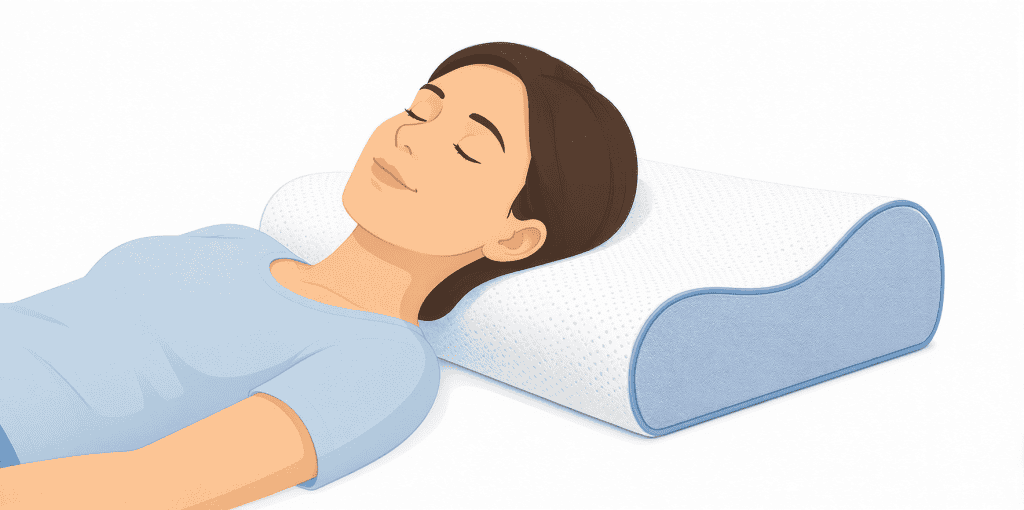
These specialised pillows are specifically designed to support the natural curvature of your spine and keep it in the right position while you sleep. Whether you’re a side sleeper struggling with shoulder pain or someone dealing with chronic neck discomfort, it’s important to know how orthopaedic pillows work and whether they’re right for you before you buy one.
Are Orthopedic Pillows Effective?
There is so much evidence out there that supports just how effective orthopedic pillows are. Multiple scientific studies have shown that there are measurable benefits, particularly for people with chronic neck pain. Research also shows that ergonomic cervical pillows can help with head-neck alignment, make muscles stronger, and lower pain scores more than rehabilitation alone.
One notable study found that patients using an ergonomic cervical pillow over a 12-month period experienced significant improvements in neck pain intensity, functional disability, and sleep quality. More importantly, patients over 50 years old experienced the most clinical gains, with an average of 4.0 points in pain reduction and a 50 percent improvement in disability scores.
However, it’s important to remember that effectiveness often depends on consistency. Benefits usually become evident after sustained use, which means that you need to use your orthopedic pillow regularly to experience meaningful relief. The research also found that the best results happen when the pillow is used with good sleep posture and, combined with physical therapy if you already have existing pain.
Are Orthopedic Pillows Good for Side Sleepers?
Side sleeping is one of the healthiest sleeping positions, as it helps keep your spinal aligned and reduces snoring, heartburn, and back pain. However, side sleepers need certain types of pillows, and orthopedic pillows are particularly well-suited for meeting those requirements.
For side sleepers, the most important factor is finding a pillow with the correct height to fill the space between your shoulder and head. A pillow that’s too low allows your head to sink, creating neck strain because your spinal alignment is off. Using one that’s too high elevates your head too much, which can cause tension and discomfort. Orthopedic pillows designed for side sleepers usually have medium to high loft heights and medium-firm firmness levels to maintain proper spine alignment.
There are a lot of benefits for people who sleep on their sides. Research indicates that side sleepers who use supportive orthopedic pillows have less cervical stiffness, fewer headaches, and better overall sleep quality. Memory foam orthopedic pillows are especially good at conforming to the unique contours of your neck and shoulder while distributing weight evenly to relieve pressure points. Many retailers now sell orthopedic pillows made just for side sleepers because they know there is a demand for them.
How to Wash and Care for Your Orthopedic Pillow
Taking care of your pillow properly will make it last longer and ensures continued support. How you clean your pillow depends on your pillow’s material, as orthopedic foam pillows require different care than other types.
For memory foam and orthopedic foam pillows:
Never wash orthopedic foam pillows in a washing machine, as this will ruin the foam structure and make the pillow less supportive. Instead, follow these steps to spot clean your pillow. Remove any excess moisture by gently dabbing with a clean, white cloth. Do not rub too hard, as this can damage the foam and embed the stain even deeper.
For light stains, create a mild detergent solution using lukewarm water and one teaspoon of mild detergent per gallon of water. Gently submerge the pillow without twisting or wringing, as this could tear the foam. Rinse thoroughly with clear water, pressing the pillow rather than squeezing it to remove soapy water.
For stubborn stains, use 70% isopropyl alcohol with a clean, white cloth. To prevent the stain from spreading, gently dab from the outer edges toward the centre. Always let your pillow air dry completely before using it again, and never place it in a tumble dryer.
For washable pillow covers:
Most orthopedic pillows have covers that can be taken off. Check the manufacturer’s care label to be sure, but most covers are machine washable in cool to warm water on a gentle cycle with mild detergent. However, some covers may be hand-wash only.
General maintenance tips:
To keep your pillow clean and comfortable, you should replace it every one to two years. Avoid using bleach or harsh chemicals, as these break down foam. And never wring out wet foam, as this causes tearing and permanent damage.
