Kitchen Linen Advice
The Humble Tea Towel: A Kitchen Essential
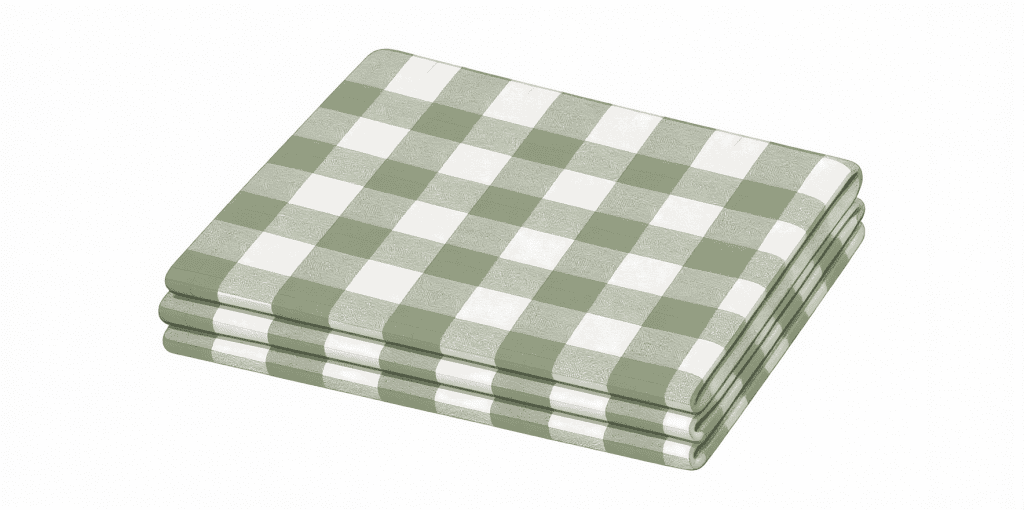
These versatile cloths have gone from being Victorian-era luxuries to everyday household items that are just as relevant today as they were more than a century ago. Learning about tea towels, how to use them, and how to care for them tells the interesting story of a very simple but important piece of home textiles.
Why Is a Tea Towel Called a Tea Towel?
The term “tea towel” originates from the Victorian era in England, when Queen Victoria ruled from 1837 to 1901. During this time period, serving tea to visitors became fashionable among the upper classes, eventually turning into grand social events such as afternoon tea or High Tea. Society was very hierarchical, and the only way to keep one’s social standing was to serve only the best tea and biscuits on the best china.
The towels used for these social events had to be exceptional. They needed to be lint-free and absorbent to protect expensive bone china from accidental damage without leaving any marks or scratches of their own. Soft linen was the best choice because of its delicate weave and ability to keep things looking perfect. As they were so important to the tea-serving ceremony, these special towels became known as “tea towels.” In addition to drying fine china, tea towels were wrapped around teapots to insulate them so they stayed warm while they were being served, and they were also draped gracefully over bread and cakes to keep them fresh during the meal.
The Victorian ladies who used these towels took great pride in their appearance. When the towels were not being used to dry dishes, women would embroider them beautifully, making family heirlooms to be passed down through generations. The practice reflected the importance placed on these linens in upper-class households, where even the smallest stain on table linen would hurt someone’s reputation.
What Are Tea Towels Used For?
In today’s kitchen, tea towels serve several different purposes. Their primary job is still drying dishes, cutlery, and glassware, tasks for which their lint-free nature makes them perfect for. But beyond this basic use, tea towels are employed for several everyday kitchen activities:
- Wiping up spills and cleaning surfaces
- Drying hands after washing up at the kitchen sink
- Protecting hands from hot cookware or using them as oven mitts when pulling items from the oven
- Covering bread, cakes, or other baked goods to retain heat and keep them fresh
- Wrapping around hot handles or pot holders for insulation
- Absorbing excess water from freshly washed vegetables
Tea towels are also used for less obvious purposes. You can drape them over a shoulder while cooking, use them to wipe children’s faces or hands, or use them as makeshift shields against flying insects or curious fingers reaching for food. Their versatility makes them an essential item in busy kitchens where multiple tasks occur throughout the day.
How to Fold Tea Towels for Display
Many people prefer to display attractive tea towels rather than use them for their intended purposes. And for this purpose, proper folding techniques matter because they enhance their visual appeal. Iron the tea towel on a high setting with steam to remove all wrinkles and creases before folding it. This small step is important because it makes the tea towel look neat and tidy. If the towel is new, this step may be unnecessary, but older towels benefit from this preparation.
There are several different folding methods you can use. To maximize storage space in drawers, fold the towel in thirds lengthwise, then fold it into a compact rectangle that can stand upright in drawers or baskets. This will give you the most storage space in drawers and makes them easy to get to without moving other things. This method, which is based on the popular KonMari organization method, enables towels to be stored vertically rather than stacked horizontally, making it easier to choose one.
For a more decorative display, create a triangle by folding the towel at one corner, then folding the top half down to create an aeroplane-like shape. Turn the whole thing over and fold the bottom up to the middle. Then, roll the rest of the towel up. Finally, tuck the pointed triangle into the side of the towel to secure it. You can also make fan shapes or butterflies using elastic bands to close the centre of the towels, creating outstretched “wings.”
If you want to give tea towels as gifts, you can arrange folded tea towels asymmetrically in star patterns or secure them with seasonal ribbons and decorative elements. The important thing to remember is highlighting the colours and patterns of the fabric to make them stand out.
How to Frame a Tea Towel
Framing tea towels as art provides a classy way to display them. Start by ironing the tea towel to remove all wrinkles and creases, ensuring a completely smooth appearance.
Choose an appropriate picture frame. Remove any existing content from the frame and clean the glass thoroughly. Put the ironed tea towel inside the frame, positioning it so it displays the design perfectly. Pull the towel tight around the back of the frame to eliminate any wrinkles before securing it in place.
Professional framers use acid-neutral backing boards and avoid placing the glass directly on textiles. This is because the fabric pattern can imprint on the glass over time, which makes the images less clear. Use only acid-free tape or small straight pins that go between fabric layers and into the corrugated cardboard backing to hold the towel in place. Regular tape will deteriorate and damage the fabric.
Once positioned correctly, close the frame and hang your tea towel art on the kitchen wall. This method works beautifully for family heirloom tea towels, limited-edition designs, or any towel too lovely to use practically.
