
Bedding / Sleep Advice
Types of Hollowfibre Cushions
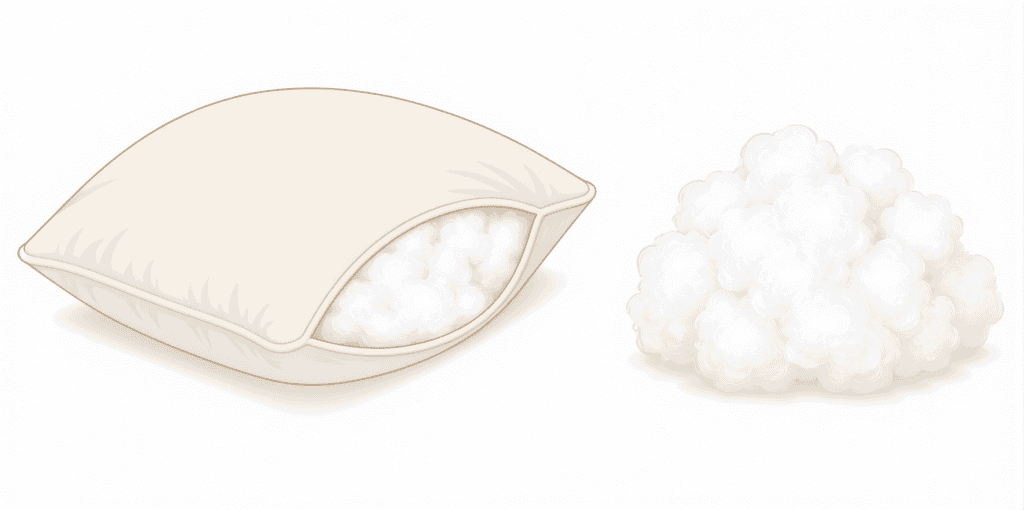
What is Siliconized Hollowfibre Cushions?
Siliconized hollowfibre cushions are better than regular hollowfibre because they have a silicone coating that makes them feel and work better. This silicone treatment makes the fibres smoother and more flexible, which makes the cushion feel softer and more pleasant to the touch. The silicone coating does more than just make the fibres more comfortable. It also makes them less permeable, which means they dry faster after washing and keeps water from getting into the hollow spaces.
These cushions won’t bunch up or get tangled, which are two common problems with untreated hollowfibre. The filling stays fluffy and springy for longer because the fibres stay smooth and separate. This means that these cushions need less care than regular hollowfibre cushions. Siliconized hollowfibre cushions are very popular for seat cushions because they are more flexible and softer, which makes them more comfortable. Even after being treated with silicone, the hollowfibre filling still lets air flow through it. This means that the cushions stay breathable and clean, and they can stop bad smells from building up.
What is Siliconized Hollowfibre for Sofa Seat Cushions?
Siliconized hollowfibre is a great choice for sofa seat cushions if you want a softer, bouncier place to sit. These cushions are soft and give a little when you sit on them, making for a comfortable seat. Siliconized hollowfibre, on the other hand, stays springy, which many people like, especially in living rooms and other casual seating areas.
However, it’s important to remember that siliconized hollowfibre seat cushions do need some care. These cushions will gradually settle and need to be plumped up regularly, unlike foam cushions that keep their shape because of their internal structure. Most companies say that you should plump your siliconized hollowfibre seat cushions every few weeks to keep them looking and feeling their best. This regular maintenance is a small cost that keeps the cushion’s shape and stops it from getting flat spots or permanently depressed areas where people usually sit.
The breathability of siliconized hollowfibre makes it an excellent choice for those concerned about humidity and temperature regulation. The material lets air flow, which helps moisture evaporate and makes the seating area feel fresher than some denser foam options. People with allergies will find these cushions especially useful because the synthetic nature and structure of hollowfibre makes it better at keeping dust mites and allergens out than natural fillings like feather or down.
Is Siliconized Hollowfibre or Reflex Foam Best for Seat Cushions?
When it comes to choosing between siliconized hollowfibre and reflex foam for your seat cushions it really depends on what you want and what you value. Each material has its own set of benefits that make it better for certain situations.
People think that reflex foam is a great all-around material for seat cushions. These cushions are great at keeping their shape, even after being used a lot. Reflex foam makes a nice, firm seat that supports you and goes back to its original shape when you stand up. Foam doesn’t need to be plumped because it has structural integrity, which makes it a low-maintenance choice. If you prefer a seat that looks consistently neat and tidy, and you want minimal maintenance requirements, reflex foam is likely your better choice. Reflex foam is also better for people who need good spinal support or who have back pain because the cushions provide stable support without too much give.
Siliconized hollowfibre cushions, by contrast, offer a softer, bouncier seat with more give and flexibility. They offer a more responsive comfort that many people think is luxurious and welcoming. Siliconized hollowfibre is the best option for you if you want comfort over low maintenance and a cushion that slightly molds to your body. To keep their shape, these cushions do need to be plumped up every few weeks. This care keeps the cushion from getting permanent creases and makes it look plump and inviting.
In practical terms, reflex foam is superior if you want long-lasting shape retention and low maintenance, while siliconized hollowfibre is better if you prioritise comfort and are willing to invest a little time in regular plumping. Some companies have come up with hybrid solutions that use both materials. For example, fibre-wrapped foam core cushions have a foam center surrounded by hollowfibre. This gives you the support of foam and the softness and springiness of fibre, but they are easier to care for than cushions that are 100% fibre.
How to Make a Hollowfibre Cushion Pads
Making hollowfibre cushion pads involves creating an inner cushion insert that sits inside a decorative cushion cover. To do the job, you need to get hollowfibre filling, the right casing material, and some basic sewing tools.
Begin by determining the size and shape of your cushion pad. Most cushion pads are square or rectangular, with common sizes including 20×20 inches, 18 inches or 45×45 centimetres. You will need two pieces of strong fabric for the casing. Professionals usually use corovin or polypropylene because they hold the filling well and let air flow through.
Cut your two casing pieces to size, allowing a small seam allowance around the edges. Put the pieces of fabric with the right sides together and sew three sides together tightly with a sewing machine. Leave one side open so you can fill it. Leave a small hole on the fourth side, about 10 to 15 centimeters wide, that will be used to fill the hole.
Turn the casing right-side out through the opening, ensuring the corners are fully pushed out to create crisp edges. Begin filling the casing with hollowfibre, working gradually to distribute the filling evenly throughout the pad. Pack the filling in tightly enough to make a thick, supportive cushion, but not so tightly that the pad becomes stiff or uncomfortable. As you fill, shake and move the pad around every so often to make sure that the filling is spread out evenly and there are no lumps or flat spots.
Once filled to your desired firmness, fold the raw edges of the opening inward and hand-stitch or machine-stitch the opening closed using a ladder stitch for an invisible seam. Some people sew a second line of stitches around the edge of the cushion to make it last longer. Your hollowfibre cushion pad is now ready to go into the decorative cover you made.
Caring for Your Hollowfibre Cushions
Taking care of hollowfibre cushions properly will make them last longer and stay clean and fresh. These cushions are some of the easiest to take care of. Using an upholstery attachment to vacuum your furniture regularly will get rid of surface dust and help keep allergens from building up. Sunning your cushions outside on a bright day every now and then will naturally disinfect and deodorize them because sunlight naturally kills bacteria and germs.
When you need to wash them, you can put hollowfibre cushions in the washing machine on a regular cycle with hot water and mild detergent. The hot water kills germs, viruses, bacteria, and dust mites very well. After washing, put the cushions in a tumble dryer on medium heat. It usually takes about two hours for them to dry completely. Fluff the cushion until it goes back to its original shape after it has dried. If you see clumps or wet spots, keep drying for another 15 minutes.
For prolonged protection, consider investing in a quilted pillow protector with a zipper, which acts as a barrier against moisture, sweat and stains while remaining easy to wash separately. This protector method lets you keep things clean without having to wash the whole cushion as often. Most pillow protectors are also hypoallergenic, which is great for people with allergies.
The National Sleep Organization in the UK says that you should wash your cushions every six months to keep bacteria and allergens from building up. Every three years, you should replace your pillows and cushions completely. However, hollowfibre cushions that are well cared for can stay comfortable and useful for longer than this. Regularly plumping your cushions keeps them looking and feeling good between washes.
Hollowfibre cushions are a great choice for most homes because they are cheap, comfortable, easy to care for, and don’t cause allergies. If you’re furnishing a new home, replacing worn cushions, or just looking to freshen up your living spaces, knowing what hollowfibre is and how it can help you will help you make choices that fit your comfort needs and lifestyle.
