
Bedding / Sleep Advice
Mattress Protectors: What They Are, Why They Matter
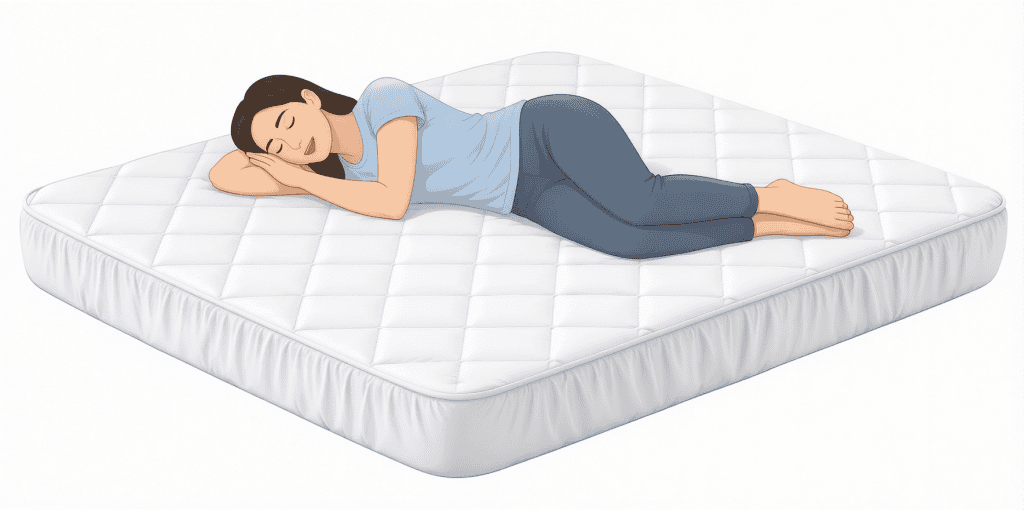
A quality mattress is a big investment, it is becoming quite common to use a mattress protector to keep it clean, fresh and under warranty. Knowing what a mattress protector is, what it does, whether you need one, and how to wash a mattress protector correctly can help your bed last longer, feel more comfortable and stay clean.
Do You Need a Mattress Protector?
You probably need a mattress protector if:
- You have a new or expensive mattress and want to keep the warranty valid.
- You are renting a place to live and want to avoid disputes over stained mattresses.
- There are children, pets or anyone else who is likely to spill something or have an accident in the house.
- You or a family member has allergies or asthma and want to wash away dust and allergens regularly.
Even on older mattresses, a quality protector makes sense for hygiene and easy cleaning. Washing a mattress protector is much easier than deep cleaning a whole mattress.
How Often Should You Wash a Mattress Protector?
Most people wash their sheets regularly but often forget about washing the protector. However, because it sits directly under the sheet it also collects sweat, oils and dust over time.
As a general guide:
- Every 1–2 months is recommended for most adults.
- If you have allergies, night sweats, pets in the bed, or a very warm bedroom, every 1-2 weeks is better.
- Immediately after any spill or accident, even if it looks minor.
Do You Wash Mattress Protectors Like Normal Laundry?
In general, yes, but you should be a little more careful:
- Always read the care label first. Different brands have specific instructions, especially if they are waterproof or hypoallergenic.
- Most of them can be washed in a washing machine at home, but some might require hand washing or the laundromat.
- Some may require a cooler wash or gentle cycle to keep waterproof backings or special fibres from being damaged.
You should treat the protector as part of your normal bedding routine, but don’t assume you can wash it on the hottest cycle or tumble dry it on the hottest setting without checking the care label first.
How to Wash a Mattress Protector
A general method that works for most UK households is:
- Check the care label
Look for any symbols and instructions (e.g. 40°C, 60°C, gentle cycle, do not tumble dry) on the care label. This is especially important for waterproof protectors. - Pre‑treat stains
If there are obvious stains (tea, wine, urine, sweat), gently dab them with a stain remover or a little mild detergent diluted in cool water. Don’t scrub too hard, as this can damage waterproof layers or fibres. - Use a gentle detergent
Most of the time, a regular non‑bio or bio laundry detergent will work just fine. Avoid using fabric softener on waterproof protectors, as it can affect breathability and coating over time. - Pick the right wash cycle
- For most quilted cotton or polyester protectors: a wash at 40°C–60°C is normal (check the label).
- For waterproof or delicate protectors: a gentle cycle at 30°C–40°C is recommended.
- Rinse thoroughly
Make sure all of the detergent is rinsed out, particularly if anyone in the home has sensitive skin. - Dry completely
- If the care label allows it, tumble dry on a low heat setting.
- You can also, line‑dry them outside or air‑dry them indoors. Always check that the protector is fully dry before putting it back on the bed to prevent mildew.
- Avoid ironing unless the label says it is safe
How to Clean a Mattress Protector Between Washes
Some things you can do to help freshen up your protector are:
- Spot clean your protector using a mild laundry detergent and cool water.
- Lay your protector out over a banister or clothes horse on a day where you can have your windows open to air it out..
- Use a fabric freshener spray to temporarily reduce odours. But make sure the spray is safe to use with your protector’s material.
None of these things replace an actual washing, but they can help keep things fresher between monthly washes.
Does an Electric Blanket Go Under a Mattress Protector?
Most electric blankets that are meant to be used as under‑blankets are set up like this:
- Mattress
- Electric blanket (secured in place as per instructions)
- Mattress protector
- Fitted sheet
- Duvet / blankets
Putting the mattress protector on top of the electric blanket has a number of benefit:
- It adds a layer between you and the wiring, making you more comfortable while sleeping.
- It protects the blanket from sweat and spills, which can extend its life.
- It keeps the bed cleaner, as the protector much easier to wash than the electric blanket.
However, always read the instructions for both the electric blanket and the mattress protector. Some electric blankets are meant to be used as top blankets instead of under‑blankets, and manufacturers’ safety advice must take priority.
Can You Wash a Mattress Protector if You Use an Electric Blanket?
The good news is:
- Yes, you can still wash a mattress protector like normal as it is separate from the electric blanket.
- Always remove the protector and wash it separately. Make sure you are always following the care label.
- Never try to to wash an electric blanket the same way you wash a protector unless the manufacturer explicitly allows machine washing.
This way the electric blanket stays on the bed for the colder months, while the protector handles most of the sweat, dust and everyday grime.
