
Kitchen Linen Advice
Choosing the Right Dish Cloth
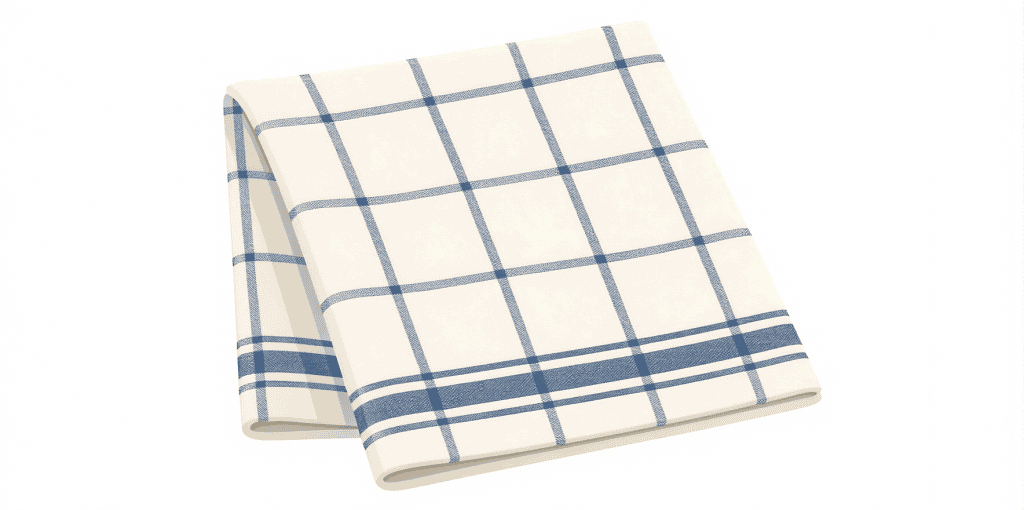
Every UK kitchen needs dish cloths, as they handle everything from washing up to wiping down countertops. Taking good care of them keeps your home and dishes cleaner and extends the life of your dish cloths. This guide tells you all about how to clean different types of dish cloths, how often to wash and replace them, and how to make or crochet your own reusable cloths.
Are Dish Cloths Lint Free?
Whether a dish cloth is lint free depends a lot on the material it is made from. When you first buy cotton dish cloths and tea towels they will lose some fibres. This lint often sticks to glasses and shiny cutlery, leaving an annoying residue that is easy to see in bright light.
On the other hand, microfibre dish cloths are designed to be low-lint or lint free. Their tightly woven synthetic fibres are less likely to shed, which makes them a better choice for glassware and stainless steel. If lint really bothers you, choose one of the following.
- Tight-weave microfibre cloths labelled as “lint free” or “glass cloths”.
- Waffle-weave cotton cloths, which doesn’t shed as much as fluffy cotton.
Washing new cotton cloths a couple of times before you start using them can also help get rid of lint.
Can You Use Microfiber Cloths to Wash Dishes?
Yes, you can use microfibre cloths to wash dishes as long as they are safe to use in the kitchen and are kept clean. People are replacing their traditional sponges and dish cloths with microfibre because of:
- Better grease removal
- Less lint on glasses and cutlery
- Faster drying between uses
However, microfibre cloths can sometimes be more abrasive than they look. Don’t use textured microfibre on delicate non-stick coatings unless the packaging says it is safe for those surfaces. If you are not sure, you can test it first on an inconspicuous area of a pan. If it doesn’t work, use smoother, softer microfibre for washing up and save the rougher cloths for countertops.
Can I Use Dish Soap to Clean Microfiber Cloth?
Dish soap or washing-up liquid can be used to clean microfibre cloths when you need to quickly clean them. For example, if your dish cloth has gotten greasy or picked up a strong food smell, you can:
- Wet the cloth with warm water.
- Rub a small amount of washing-up liquid into the fibres.
- Massage the cloth thoroughly, paying attention to greasy patches.
- Rinse the cloth until the water runs clear and no soap remains.
- Wring it out and hang it up to dry.
However, if the cloth has been used a lot, washing them in a washing machine is the better choice. When machine washing microfibre, avoid using fabric softener and dryer sheets. They coat the fibres making them less absorbent and less effective at cleaning.
How to Clean Dish Cloths
Properly cleaning your dish cloths keeps them clean and helps them last longer. In a home with daily cooking, dish cloths quickly get dirty as they accumulate grease, food particles and bacteria. A basic routine is:
- Rinse the dish cloth after each use to remove food and soap.
- Wring it out well and hang to air dry.
- Machine wash them regularly at a suitable temperature.
Most cotton dish cloths can be safely washed at 40–60°C. Higher temperatures help kill germs, but always read the care labels, especially for decorated or coloured cloths. Microfibre does best at 30–40°C to protect the fibres, but it can handle hotter temperatures occasionally, if the manufacturer allows.
Use a quality detergent, and don’t overload the washing machine so the cloths are thoroughly agitated and rinsed. Occasionally running a hot wash just for kitchen linens (cloths and tea towels) can help keep everything fresher.
How to Clean Greasy Dish Cloths
Grease is hard to get off of dishcloths, and even after a quick wash, they can still feel slimy. Getting rid of grease, hot water and detergents designed for grease removal work best.
A simple method you can use is:
- Soak the cloths in very hot (but safe to handle) water with a degreasing laundry detergent or a squirt of grease-fighting dish soap.
- Agitate the cloths in the water, squeezing them to release any trapped grease.
- Rinse them thoroughly before putting them into the washing machine.
For cotton cloths, washing at 60°C with a good detergent will remove most kitchen grease. For microfibre cloths, stay within the recommended temperature range but use a longer wash cycle. Again, don’t use fabric softener as it can trap greasy residues rather than remove them.
How to Clean Smelly Dish Cloths
A lingering musty or sour smell is a sure sign of bacterial growth. Often caused by cloths staying damp for too long. To refresh smelly dish cloths, focus on heat and thorough drying.
One effective approach is:
- Rinse the cloths and wring them well.
- Soak them in hot water with a cup of white vinegar for 30 to 60 minutes.
- If the fabric allows, wash them in the machine at 60°C, using regular detergent.
- Dry them completely, either in a tumble dryer or on a warm radiator, making sure they are fully dry before using them again.
When washing microfibre cloths, use a lower temperature but a longer wash. Soaking them in vinegar or baking soda can help neutralise smells. To prevent odours from returning change cloths frequently and never leave wet cloths sitting in the sink.
How to Deep Clean Dish Cloths
Every so often, especially after heavy use or somebody in the house was sick, a deep clean is a good idea. For cotton dish cloths, a deep clean routine involves:
- Pre-soaking in the cloths hot water with detergent or an oxygen-based stain remover.
- Washing them at 60°C with a full dose of detergent.
- Adding a hygiene laundry additive if desired (following all care label instructions).
You can deep clean microfibre by soaking it in warm water with a mild detergent and then washing it on a longer cycle without fabric softener. When the weather is nice, line drying in sunlight helps naturally freshen and sanitise the cloths.
Can You Wash Dish Cloths in the Dishwasher?
You can wash dish cloths in the dishwasher, but it’s usually better to do it every once in a while rather than all of the time. If you do this:
- Put the cloth on the top rack or in the utensil basket.
- Run a hot cycle.
- Remove the cloth at the end and air dry thoroughly.
Dishwashers are designed for hard surfaces, not linens, so they may not rinse fibres as well as a washing machine. Use this method only as a backup when the washing machine is full rather than as a replacement for regular laundering.
Can You Wash Dish Cloths with Clothes?
It is possible to wash dish cloths with clothes, but it is not the best choice. Dish cloths carry food residues, grease and more bacteria than general clothing. Most people prefer to:
- Wash dish cloths with tea towels and other kitchen linens.
- Use a hotter wash than they would use for everyday clothing.
If you have to wash them with clothes, don’t mix them with delicate items or baby clothes. Use at least a 40°C wash cycle and use a quality detergent. You should always wash bathroom cleaning cloths separately from kitchen ones.
How Often Should You Wash Dish Cloths?
You should wash dish cloths frequently, ideally once a day if you have a lot of people in your house. If the cloth is used a lot or starts to smell or look dirty, it is better to wash it immediately rather than wait. Leaving it unwashed for several days encourages the growth of bacteria and odours.
Most kitchens keep several dish cloths in rotation, so they are using one per day and putting it straight into the laundry basket when they are done.
How Often Should You Change Your Dish Cloth?
When used every day most cotton dish cloths need replacing every few months, depending on quality and how well they are taken care of. Microfibre cloths last longer if they are washed correctly and kept away from high heat and fabric softener.
Replace dish cloths when:
- Holes or thinning appear.
- Stains remain even after a deep cleaning.
- It still smells bad, despite a thorough washing.
You can reuse old cloths for messier household chores or DIY projects and get new ones for dishwashing.
How to Get Dish Cloths White Again
White cotton dish cloths look very clean when new but they quickly become grey or stained. To keep them bright:
- Soak in hot water with an oxygen-based bleach (colour-safe stain remover).
- Wash at 60°C with a quality detergent.
- Dry in direct sunlight when possible, as UV light helps naturally bleach and disinfect fabric.
Don’t use chlorine bleach too often, as it weakens fibres and isn’t good for the environment, especially if your home drains to a septic system. You shouldn’t bleach microfibre at all unless the care label specifically allows it.
