
Bedding / Sleep Advice
A Guide to Pillow Protectors
Are Pillow Protectors the Same as Pillowcases?
To use pillow protectors and pillowcases correctly, you need to know what makes them different from each other. These two bedding items serve very different purposes and should not be confused with one another. A pillowcase is the decorative outer layer that you see and feel against your face when you lay down. It is designed mainly for comfort and looks, and is often made from materials like soft cotton, silk, or bamboo fabric. Pillowcases are washed regularly, usually weekly, and come in various colours and designs to match your bedroom décor.
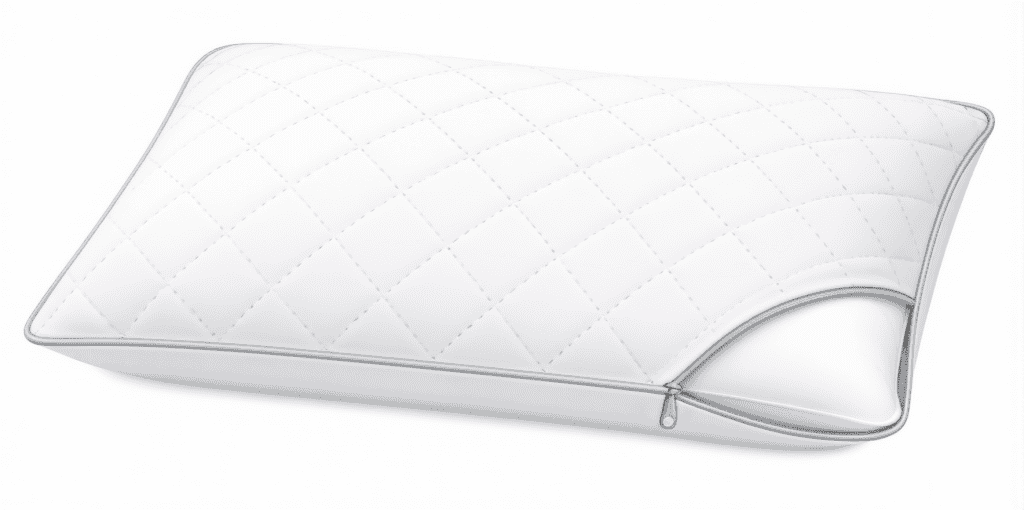
A pillow protector is a layer that sits directly under your pillowcase. It is specifically designed to protect your pillow from dirt, spills, stains, and allergens. Pillow protectors often offer specialised materials such as waterproof membranes, hypoallergenic fabrics, or tightly woven cotton that blocks dust mites and other harmful particles. The biggest difference is that protectors usually have a zippered closure that fully encloses the pillow, while pillowcases have an open end that makes them easy to put on and take off.
The layering system works best when you the pillow protectors and pillowcases at the same time. Your pillow sits inside the protector, which is then covered by your decorative pillowcase. This multi-layered approach provides the best protection while maintaining comfort and style.
Do Pillow Protectors Work?
Pillow protectors work best when you choose the right ones and more importantly use them correctly. Scientific studies and expert recommendations confirm that quality pillow protectors keep harmful particles and substances out. To be certified as hypoallergenic, pillow protectors are tested to ensure that they create a physical barrier with a fabric pore size of at least 6 microns. This blocks dust mites, pet dander, pollen, and mould spores from getting into the pillow.
Pillow protectors do more than just keep allergens out. They prevent moisture from sweat, saliva, and lotions from reaching your pillow, which can cause yellowing, staining, and deterioration. Many protectors also offer waterproof layers to protect against spills without creating the unpleasant plastic feel or noise associated with older waterproof bedding products. Modern pillow protectors use breathable materials like TENCEL™ Lyocell, which maintain protection while allowing for proper air circulation and temperature regulation.
Regularly washing a pillow protector is crucial to maintain its effectiveness. The Asthma and Allergy Foundation of America recommends washing bedding once a week in hot water to remove dust mites and allergens. While pillow protectors don’t need to be washed as often as pillowcases, they should still be cleaned regularly for the best results.
Can You Sleep on a Pillow Protector?
People who have never used pillow protectors before often ask if they can or should sleep on the protector without a pillowcase. The short answer is that while you can technically can sleep on them directly, it is not recommended. Pillow protectors are meant to be functional protective layers rather than comfort-focused bedding. Sleeping directly on them might not be very comfortable.
Most protectors, particularly those with waterproof or other protective features, can feel a little stiffer or noisier than soft pillowcases. They don’t have the softness or the looks that make bedding fun and decorative. Putting a pillowcase over your protector makes the pillow softer while keeping all the protective benefits underneath. This layering approach makes sure you get all the protection offered by the protector without compromising on comfort.
If you like a firmer sleeping surface or have certain comfort needs, sleeping directly on certain types of soft, breathable protectors might work. However, using both together is still the best way to get the best protection, hygiene, and comfort.
Do You Put a Pillowcase Over a Pillow Protector?
Putting a pillowcase over a pillow protector is the recommended approach and follows the standard order of bedding. The correct order is pillow, then protector, and finally the pillowcase. This setup offers a lot of benefits that improve the protection and comfort of pillows.
Placing a pillowcase over the protector keeps body oils, sweat, and bacteria from getting to the protector itself. This keeps the protector cleaner and allows it to remain effective. It also adds an extra layer of softness and breathability between your head and the pillow, improving overall comfort. Having that extra decorative layer means you can wash your pillowcase more often and your protector less often, making it easier to keep your bedding clean.
Additionally, the pillowcase gives you total control over how your bedding looks, while still keeping your pillow safe. You can pick out decorative, comfortable fabrics for your pillowcases and the protector underneath takes care of the protective qualities.
How Often Should You Wash Pillow Protectors?
How often you should wash your pillow protectors depends on your own needs and situation. For most people, washing protectors every three to four weeks is enough to keep a clean, hygienic sleep environment. However, this timeline should be adjusted to fit your needs.
If you suffer from allergies, asthma, or are sensitive to dust mite, you should wash all of your bedding once a week to get rid of as many allergens as possible. People who sweat heavily during the night should wash their protectors every week or two. If you have pets that sleep on your bed or children who use the pillows, weekly washing is the best way to stop dirt and allergens from building up.
At the very least, protectors should be washed once a monthly or any time they become visibly stained or soiled. It’s a good idea to have more than one pillow protector on hand. This way, you can switch them out and wash them without missing protection overnight. Pillowcases should be washed every three to four days, as they are in direct contact with your skin.
Regular washing not only keeps things clean, but it also makes sure that your protector keeps working to block dust mites and allergens. Following manufacturer care instructions and maintaining a regular washing schedule helps your protector last longer, so you won’t have to replace it for a few years.
