
What Are Anti-Allergy Pillows?
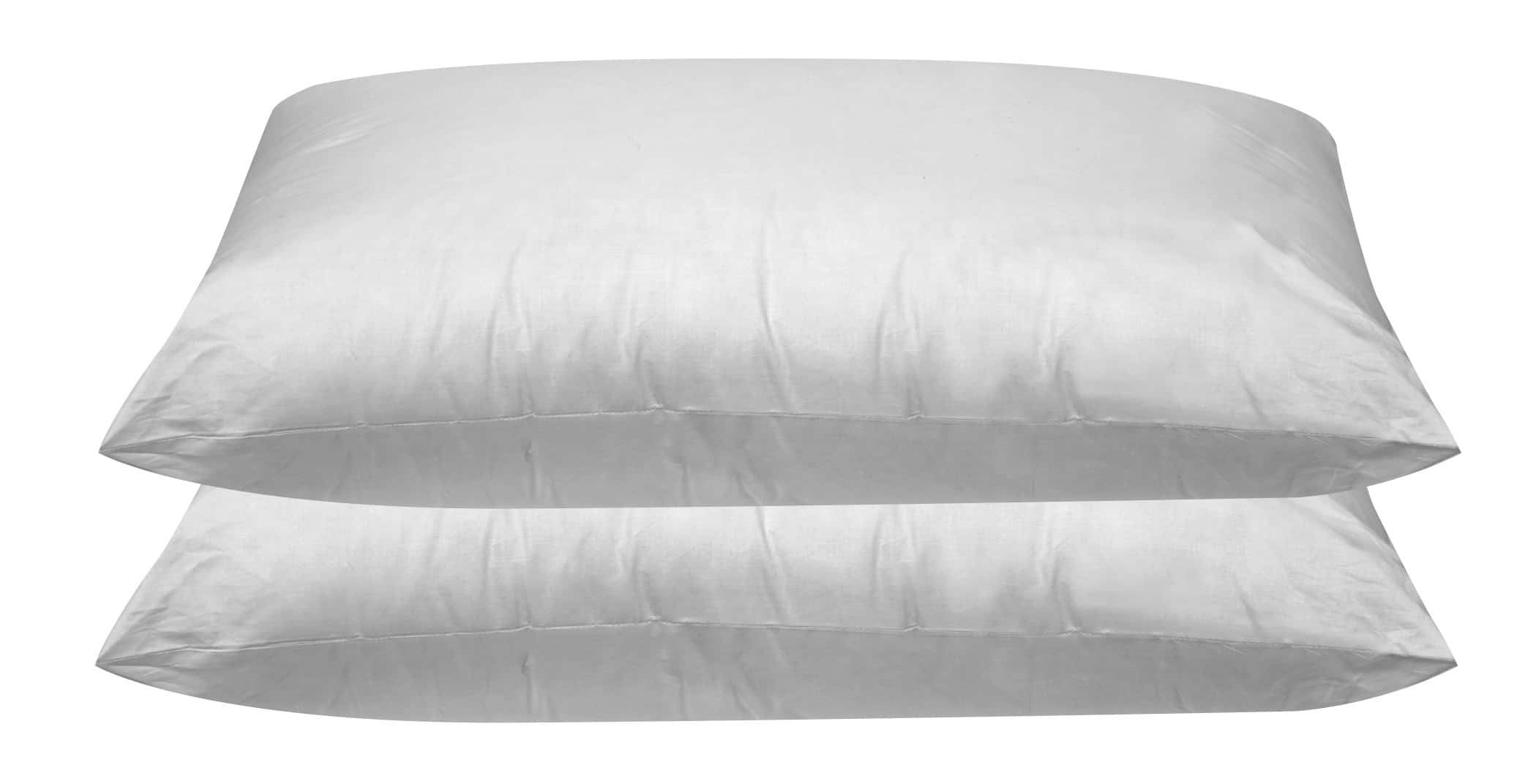
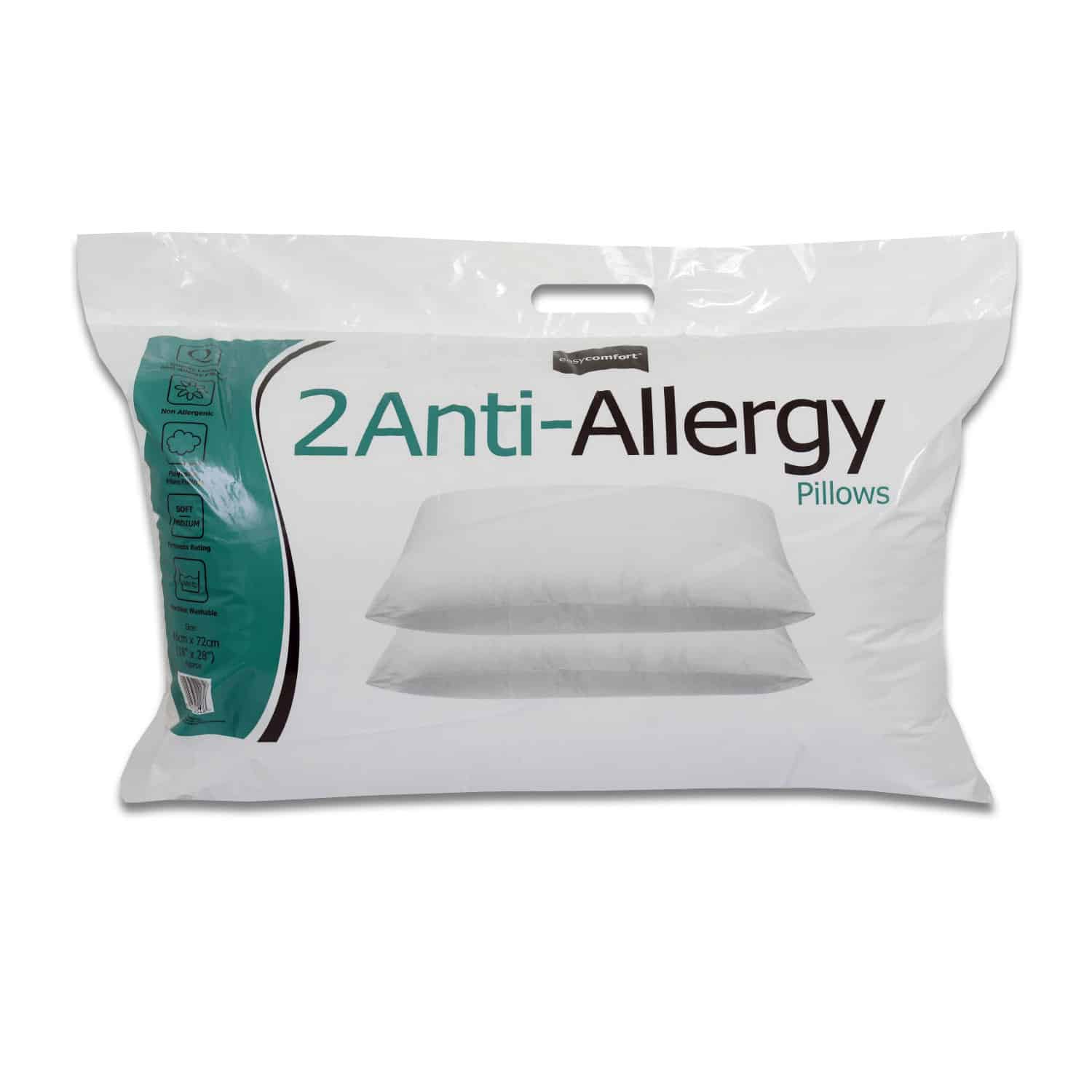
Anti-allergy pillows are special bedding items made to help reduce allergic reactions caused by common household allergens, particularly dust mites. These pillows are different from regular pillows in two ways: they use hypoallergenic filling materials, and their covers are specially treated with chemical compounds to combat allergens. The NHS says that people with dust mite allergies, particularly those with asthma, eczema, and rhinitis, should use anti-allergy pillows.
It’s important to know the difference between anti-allergy and hypoallergenic pillows. These terms are often used interchangeably but have different meanings. Hypoallergenic pillows are made from materials that aren’t known to cause allergies, such as synthetic fibres, bamboo, or memory foam. Anti-allergy pillows have been treated with extra chemical treatment to stop dust mite growth and bacterial colonisation. These are the antimicrobial agents used to make the pillows resistant to dust mites and other microorganisms.
How Do Anti-Allergy Pillows Work?
Anti-allergy pillows offer several features that work together to reduce your exposure to dust mite allergens and other triggers. Perhaps the most important feature is the tight weaving of the pillow’s outer case. This creates a physical barrier that dust mites cannot penetrate. When looking at anti-allergy pillows, you’ll notice the fibres are tightly woven. If you can see feathers or fibres poking through, the case isn’t adequately sealed.
In addition to the physical barrier created by the tightly woven case, anti-allergy pillows use chemical treatments to prevent dust mites and bacteria. These antimicrobial treatments either prevent dust mites from establishing colonies inside the pillow or they kill existing mites and their allergen-producing droppings. The combination of tight weaving and chemical treatment creates a two-layer defence system.
Related products
Bedding
Bedding
Bedding
Bedding