

What Are V-Shaped Pillows?
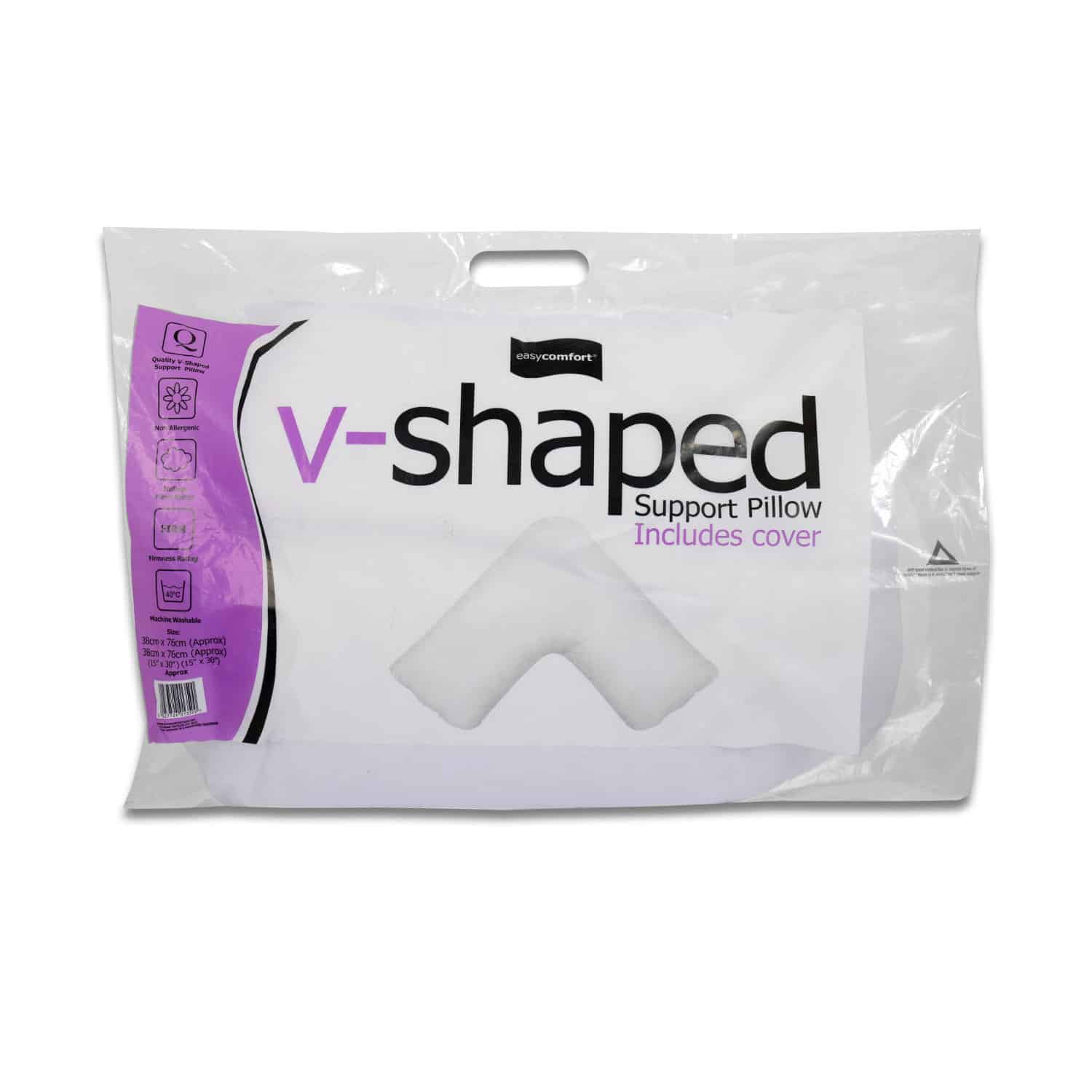
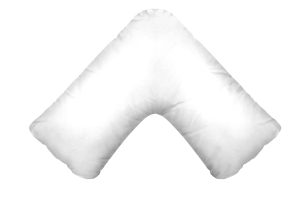
V-shaped pillows are ergonomically designed cushions that feature a distinctive V-shaped contour. The pillow’s unique shape makes a central channel that supports your head and extended arms on either side of your body. This design is very different from regular pillows, which provide even support without shaping to the body’s contours. Most v-shaped pillows are filled with materials that don’t cause allergies, like polyester hollowfibre, memory foam, or natural wool. The covers are made of breathable cotton or soft velvet. Because they are small and easy to carry, they can be used in the bedroom or on the go.
How Do V-Shaped Pillows Work?
V-shaped pillows effectiveness lies in their ability to provide targeted support to multiple areas of your body simultaneously. When you rest your head in the central valley of the pillow, the V-shaped arms extend along both sides of your neck, shoulders, and upper back. This design keeps your head from sinking unevenly into the pillow, which is what happens with most pillows. Instead, it keeps your spine in the right position all night.
The v-shaped design’s physics work well because they spread your weight out more evenly across the pillow’s surface. This even distribution lowers pressure points that can make you stiff and uncomfortable in the morning. The unique shape also helps keep your neck and shoulders in their natural position, which reduces the muscle strain and tension that builds up when you sleep in an awkward position.
How to Use a V-Shaped Pillow
If you use a v-shaped pillow the right way, you’ll get the most out of its benefits and be able to enjoy all the comfort it offers. Start by putting the pillow on your bed so that the middle valley lines up with where your head and neck will rest. When you lie down, put your head in the middle of the channel. The V-shaped arms will support your neck and head on both sides.
For optimal support from your v-shaped pillow, consider these positioning tips:
- If you are a side sleeper, position one arm of the pillow under your head and the other between your knees.
- Use the central valley for your head and allow both arms to support your shoulders when sleeping on your back.
- Adjust the pillow’s height so your head remains level with your spine, avoiding excessive flexion or extension.
- Place the pillow between your legs while side sleeping to maintain proper hip alignment
Make it a habit to use your v-shaped pillow every night to allow your body to adjust to the new support structure. Once your body adjusts you can fully experience the benefits of improved spinal alignment.
V-Shaped Pillows for Side Sleepers
Side sleepers often experience particular benefits from v-shaped pillows. This design works especially well for this sleeping position because the upper arm of the pillow supports your neck in a way that keeps your head from tilting too far down, which can cause cervical spine misalignment. When you sleep on your side, your spine should be straight from your head to your torso. A v-shaped pillow can help keep this alignment.
For side sleepers, positioning is important. Place the lower arm of the pillow beneath your head and ear, with the upper arm extending upward along your shoulder and upper back. You can also put the lower arm of the pillow between your knees. This will help keep your lower back and hips stable while your head rests on the upper arm. This two-support method takes care of two main pressure points that usually make side sleepers uncomfortable.
V-Shaped Pillows for Your Back and Neck Support
The neck is one of the most fragile parts of the body, and not having enough support from a pillow can cause stiffness and pain that lasts all day. V-shaped pillows are great for supporting the neck because they create a gentle cradle that stops the cervical spine from moving too much or bending too much. People with tight muscles or bad posture can move around less because of the V-shaped design, which usually causes neck pain.
Your back similarly benefits from the support these pillows provide. The upper arms of the v-shaped pillow extend along your shoulders and upper back, distributing your weight evenly across these areas rather than concentrating pressure in isolated zones. This distributed support helps ease muscle soreness and tension, which is especially helpful for people with upper back pain or who spend a lot of time hunched over desks.
When sitting upright in bed for reading, watching television, or working, position the v-shaped pillow with its lower arms supporting your lower back and the central valley supporting your upper back. This setup gives your lower back great support and keeps your spine from bending into a rounded shape that puts stress on your back muscles.
How to Sleep on a V-Shaped Pillow
Sleeping on a v-shaped pillow requires a slightly different approach compared to traditional pillows. Start by figuring out how you usually sleep: on your back, side, or stomach. Now that you know this, put the pillow in the right place:
For back sleepers, put your head in the middle of the valley and let both arms of the pillow support your shoulders and upper back evenly. This position keeps your spine in a neutral position.
For side sleepers, position one arm of the pillow under your head and allow the other arm to support your shoulder and upper back. You can tilt the pillow a little to fit the natural curve of your body.
For stomach sleepers, although less common, some individuals find that placing a v-shaped pillow under their upper body helps reduce strain on the neck and shoulders that typically accompanies stomach sleeping.
Your body may need some time to get used to the new support structure when you first start using a v-shaped pillow. This is normal and will go away soon. It will take your muscles and spine a few days to get used to the better alignment. Most people notice that using it regularly for a week or two makes their morning stiffness and overall sleep quality better.
Related products
Bedding

Bedding
Bedding